
How to Use Local Influencer Marketing for Alcohol Brands Right
Discover how bartenders and local tastemakers drive real alcohol sales through trust, authenticity, and community-led influencer marketing.
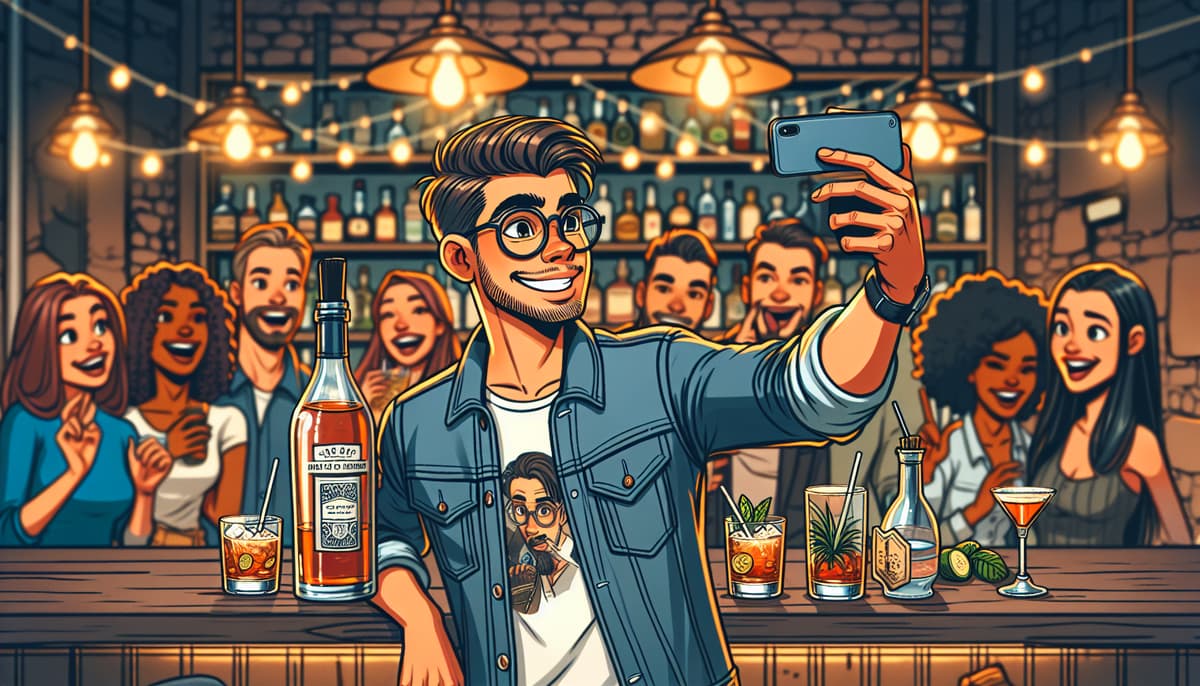
Picture this: a Friday night buzz, low lights, clinking glasses, and a bartender who knows your name - and your favorite mezcal. Now imagine that same bartender casually mentioning a new tequila on the shelf, one you’ve never tried. You trust them. You’re intrigued. You order it. Just like that, a bottle moves off the backbar. No hashtags, no celebrity endorsement, no million-dollar campaign. Just real influence, in real time.
That’s the magic of local influencer marketing for alcohol brands - where trust isn’t measured in followers but in familiarity. And it’s high time we stop chasing viral fame and start tapping into the voices that actually move bottles.
Why Local Beats Global in the Alcohol Game
The alcohol industry plays by different rules. Between regional laws, age restrictions, and advertising regulations, it’s one of the most heavily policed spaces in marketing. National influencers can’t always help you navigate that maze. But local influencers? They live in it.
And here’s the kicker: trust is local. According to HubSpot’s influencer marketing stats, micro and nano influencers (those with fewer than 100k followers) drive 60% higher engagement than their mega-famous counterparts. Why? Because they feel like friends, not ads.
In the world of alcohol, that trust is golden. It’s the difference between a curious taste and a lifelong loyalist. Local influencers - especially bartenders and respected community voices - don’t just recommend; they endorse with the full weight of earned authenticity.
The Bartender Is Your Brand’s Secret Weapon
Let’s talk about the unsung heroes of alcohol sales: your bartenders. Not just the ones slinging drinks on busy nights, but the ones with stories, flair, and loyal regulars. These folks are the original influencers, spinning flavor notes and cocktail history into casual conversation over a pint.
Bartenders are trusted because they’re immersed in the experience. They don’t pitch - they guide. When a new bottle hits the shelves, they’re the first to try it, mix with it, and talk about it. And when they love it? Their patrons do too.
So instead of throwing your budget at a celebrity who’s never tasted your gin, why not equip your local bar team with stories, swags, or even commission-based incentives? Let them be your storytellers. Because in a world of curated feeds, genuine recommendations still win.
Who Else Counts as a Local Influencer?
Don’t stop at bartenders. The beauty of local influencer marketing for alcohol brands lies in its diversity:
- Local food bloggers and cocktail creators: They’re passionate, visual storytellers who know how to make a bottle shine in the perfect light.
- Small venue owners: Think indie music halls, pop-up speakeasies, or neighborhood wine bars - they bring in niche audiences with deep loyalty.
- Community leaders and event hosts: From charity galas to street fairs, these folks bring people together and influence what they drink while they’re at it.
- Hospitality staff: Servers, sommeliers, and even barbacks - they’re part of the experience and often overlooked as brand advocates.
What makes all of these people powerful? Their audience sees them as real. They’re not trying to sell - they’re just sharing what they love.
How to Build a Local Influencer Strategy That Works
Now, let’s get tactical. Building an effective local influencer marketing strategy for your alcohol brand isn’t about throwing darts in the dark. It’s about precision and heart:
1. Identify Local Tastemakers
Start by mapping out your local ecosystem. Who are the voices people listen to when choosing where to drink or what to try? Scroll through geotags, ask bar owners, poke around local foodie forums. You’re not looking for follower count - you’re looking for influence.
2. Offer Real Value
Don’t just ask them to “post about your bottle.” Instead, invite them for a private tasting. Give them the story behind the brand. Collaborate on a signature cocktail. The more involved they are, the more authentic their content will feel.
3. Stay Compliant, Stay Classy
Alcohol promotion comes with a maze of rules. Always ensure influencers disclose partnerships and avoid promoting overconsumption. Keep it classy, creative, and age-appropriate. It’s not just about legality - it’s about long-term trust.
4. Track What Matters
Skip the vanity metrics. Instead, monitor:
- Bar and retail sales lift in specific regions
- Redemption of promo codes or QR scans
- Engagement quality (comments, saves, shares)
- Event attendance and post-event mentions
This way, every pint poured or bottle sold is tied back to real-world influence - not just digital noise.
Storytelling That Sticks: The Power of Place
Here’s where local influencer marketing really shines: contextual storytelling. A TikTok video of a celebrity sipping tequila on a yacht? That’s aspirational. But a bartender in Austin crafting a smoke-kissed Paloma with your reposado and a wild Texas grapefruit? That’s relatable - and memorable.
When your product is paired with regional culture, local language, and neighborhood pride, it becomes more than a drink. It becomes part of someone’s story.
So lean into the accents. The slang. The dive bars and rooftop patios. That’s where connection lives.
Success in the Wild: A Real-World Toast
Let’s take a real example. A boutique rum brand in Charleston partnered with five local bartenders at heritage-rich venues across the city. Instead of pushing a hashtag campaign, they created a “Rum Revival Night” featuring each bartender’s unique cocktail and invited local press, influencers, and regulars.
The result? A 40% sales lift in Charleston over two months. One bartender’s cocktail even made it to the brand’s national recipe book. And the buzz? All organic. All local.
This is what happens when you stop shouting at the masses and start whispering to the right people in the right rooms.
Start Small. Think Big. Stay Local.
The brilliance of local influencer marketing for alcohol brands is that it doesn’t require deep pockets - just deep roots. It’s about building trust, not just traffic. And in a post-pandemic world where people crave connection over perfection, that kind of marketing matters more than ever.
So here’s your next move: identify your local legends. Slide into the DMs of that bartender who’s always crafting something new. Partner with the food truck guy who knows every beer in your lineup. Show up where your drink is already loved and let the love grow louder.
Remember, the bottle doesn’t sell itself. But the right voice? Oh, it can work wonders.
In the liquor game, the voice behind the bar outshouts the feed - hand them the mic, watch shelves empty.