
Top Alcohol Retail Trends 2026 Shaping the Industry Future
Discover alcohol retail trends 2026-from moderation and RTDs to low-alcohol drinks and ecommerce - reshaping how retailers grow profitably.
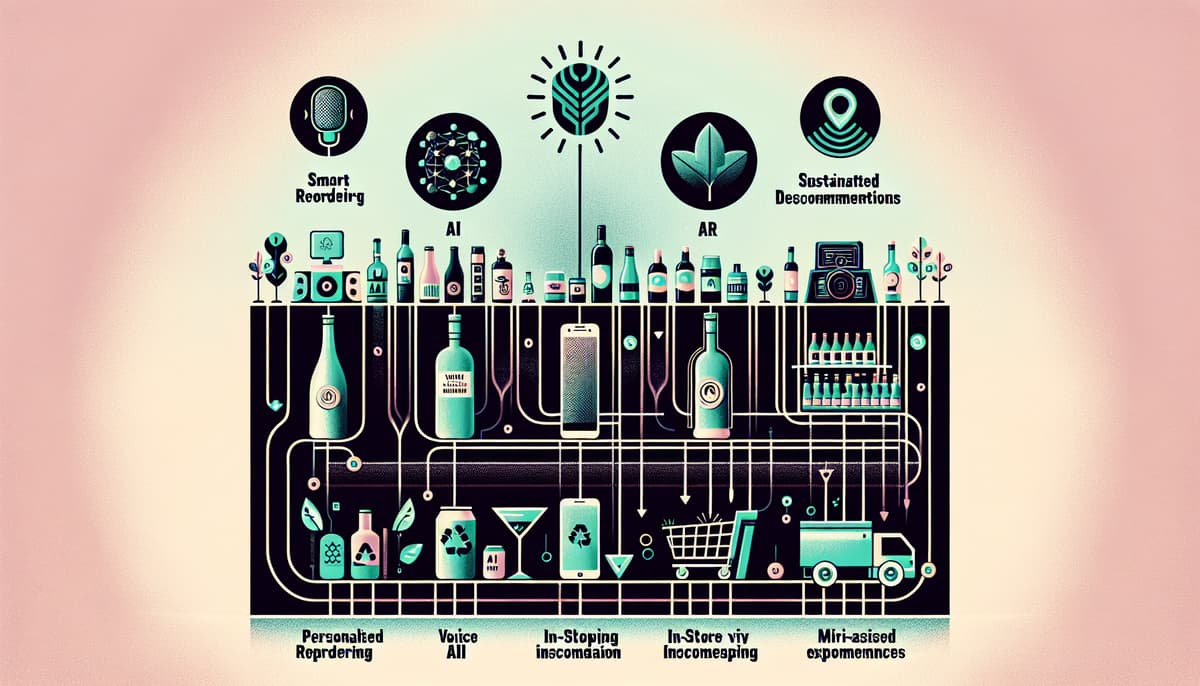
Picture this: It’s a Friday evening in 2026. A group of friends gather for drinks - only instead of cracking open a six-pack of beer, they’re mixing up zero-proof cocktails with artisanal botanicals. One’s sipping a CBD-infused sparkling water, another’s popped open a $15 ready-to-drink Negroni, and someone else is browsing a curated alcohol subscription box online for next month’s get-together.
Sound niche? It’s not. It’s mainstream now. And it’s changing everything about how alcohol is sold, stocked, and savored.
If you’re an alcohol retailer, that scene either makes your heart race with possibility…or pound with panic. Either way, here’s the truth about alcohol retail trends 2026: the future isn’t about selling more. It’s about selling smarter. And “less” might just be your biggest growth lever yet.
The Moderation Economy: When Less Becomes Luxury
Let’s start with the elephant in the tasting room - volume is flat. According to IWSR, global alcohol consumption isn’t rising the way it used to. But here’s the plot twist: consumers aren’t giving up alcohol - they’re evolving their relationship with it.
Enter the Moderation Economy. Driven by Gen Z’s wellness ethos, millennial mindfulness, and the rise of “sober curious” lifestyles, drinking less is becoming aspirational. What used to be seen as restraint is now reframed as refinement.
- Premium over quantity: Consumers are willing to pay more for better - think small-batch, craft-quality, beautifully packaged.
- Occasion over habit: Alcohol becomes a curated moment, not a nightly default.
- Transparency over tradition: Labels matter. Ingredients matter. Health impact matters.
This shift holds real opportunity for retailers. Instead of racing to move cases, imagine positioning your store as a curator of elevated experiences. You’re not just selling beverages - you’re selling taste, time, and intention.
RTDs Are the New Sommelier: Convenience Meets Craft
Let’s talk about the ready-to-drink (RTD) revolution. These aren’t your college-era hard lemonades. RTDs in 2026 are high-design, low-sugar, and often low- or no-ABV. From espresso martini cans to yuzu gin spritzers, RTDs blend sophistication with grab-and-go ease.
And they’re booming. As consumers crave both quality and convenience, RTDs are the sweet spot - especially in the moderation landscape. They offer:
- Precise portion control
- Premium flavors without the fuss
- Built-in discovery factor-every can is an experience
For retailers, this means investing in a more thoughtful RTD shelf strategy. Ditch the “bulk buy” displays and opt for boutique-style merchandising. Highlight tasting notes. Tell the maker’s story. Bundle RTDs by occasion or mood - date night, picnic pack, Sunday wind-down. Make each selection feel like a decision, not a default.
Low and No Alcohol: The Fastest Growing Segment You Might Be Ignoring
We used to joke about “near beer” and mocktails. But now? Low- and no-alcohol products are the darlings of the drinks world. From alcohol-free IPAs to distilled botanical spirits, these options aren’t just tolerated - they’re trending.
This isn’t about abstainers. It’s about flex drinkers - people who dip in and out of alcohol use based on lifestyle, schedule, or mood. And they want options that feel just as indulgent as the “real” thing.
- Non-alcoholic spirits like Seedlip, Ritual, and Monday are now bar-cart staples.
- Wine alternatives with adaptogens, bubbles, and herbs are showing up at weddings and work events alike.
- Functional beverages - think nootropic seltzers and mood-boosting elixirs - are sneaking into cooler space once reserved for beer.
If your store still relegates non-alc to a dusty bottom shelf, you’re missing one of the most profitable corners of alcohol retail trends 2026. Give these products pride of place. Curate them with intention. Offer tasting events and pairing guides. Show your customers that “less” doesn’t mean “less fun.”
The Rise of the Ecommerce-First Bottle Shop
Retail is no longer just a place - it’s a path. And in 2026, that path starts online.
Whether it’s a text-to-reorder RTD pack or a personalized email suggesting a new organic vermouth, digital touchpoints are shaping the way people buy alcohol. And yes, while regulation still makes alcohol ecommerce complex, it’s become a necessity - not a novelty.
Here’s how forward-thinking retailers are winning in the ecommerce game:
- Offering local delivery or click-and-collect
- Using quizzes or AI to personalize recommendations
- Creating subscription models based on lifestyle - not just price
- Pairing content with commerce - think cocktail tutorials, virtual tastings, and seasonal trend guides
It’s not just about selling online - it’s about creating digital experiences that mirror the warmth and curation of a small neighborhood shop. Think intimacy at scale. Authenticity through automation.
Experience-Driven Merchandising: From Shelf to Story
In a world where anyone can buy a bottle with one click, physical retail has to do more than stock shelves. It has to tell stories.
What if your store layout mimicked a tasting journey? What if instead of aisles, you offered “moments”-a date night corner, a brunch bundle zone, a post-work wind-down shelf?
This is where alcohol retail trends 2026 get exciting. Retailers are turning their spaces into storytelling hubs:
- Hosting micro pop-ups with local craft brands
- Offering “build-your-own-box” stations tied to mood or playlist
- Using augmented reality to let customers scan labels for maker videos or cocktail ideas
It’s about creating an emotional connection. When customers feel seen - when they feel like a product was made for them-they buy differently. More thoughtfully. More loyally.
Data, Discovery, and the New SKU Strategy
Let’s get practical for a sec. With all these new formats, ingredients, and expectations, how do you avoid drowning in SKU overload?
The answer: data-driven curation. Not more products-better ones.
Use POS data, online engagement metrics, and customer feedback to identify what’s truly resonating. Track not just what sells, but what sells together. What gets clicked, shared, gifted, repeated.
Then build your inventory around high-margin, high-affinity products. Think:
- Curated micro-collections by vibe: “The Sophisticated Sipper,” “The Morning-After Hero,” “The Design-Lover’s Bar Cart”
- Limited-edition drops to create urgency and excitement
- Flexible bundles that let customers explore without commitment
It’s not about offering everything. It’s about offering the right things - and presenting them in ways that make buyers feel clever, cool, and connected.
Looking Ahead with Heart and Strategy
The future of alcohol retail doesn’t belong to the biggest store or the deepest discounts. It belongs to the most attuned-the retailers who listen to their customers’ evolving desires and respond with creativity, clarity, and courage.
The challenge isn’t just stocking the next big trend - it’s understanding the emotional shift behind it. Why are people drinking less? What are they reaching for instead? And how can your store become a trusted guide in that journey?
It starts with mindset. Then, it moves into merchandising. Then, into margin.
Because selling fewer units doesn’t mean losing revenue - it’s how you reframe moderation as premium convenience that turns ‘less drinking’ into a more profitable business model.